Source Recyclable Garment Packaging Bag for Apparel, Promotion, Household
Find 30 options for recyclable garment packaging bag featuring customizable sizes, colors, and logos. Compare specifications from suppliers offering CE-certified, biodegradable, and self-sealing plastic bags for clothing, food, and promotional use.
Key considerations
Products List




Comprehensive Sourcing Guide
Strategic Sourcing Guide for Recyclable Garment Packaging Bags
The global shift toward sustainable supply chains has elevated the demand for recyclable garment packaging bags, transforming them from a niche requirement into a core operational necessity for apparel brands. For procurement professionals, sourcing these materials requires a nuanced understanding of material science, regulatory compliance, and supplier capabilities. The objective is to secure packaging that protects the product while aligning with environmental goals and logistical efficiency. This guide synthesizes available market data and technical specifications to provide a disciplined framework for evaluating potential suppliers and defining procurement parameters.
Technical Specifications and Material Composition
The foundation of any sustainable packaging solution lies in its material composition and physical properties. In the current market, recyclable garment packaging is predominantly manufactured using specific plastic polymers designed for reprocessing. The observed data indicates that LDPE (Low-Density Polyethylene) is a primary raw material, offering a balance of flexibility and durability suitable for clothing. Furthermore, a significant segment of the market utilizes Bioplastic materials, specifically blends of PLA (Polylactic Acid) and PBAT (Polybutylene Adipate Terephthalate). These bio-based materials are engineered to offer the same functional performance as traditional plastics while introducing the potential for compostability or bio-degradation under specific conditions.
When evaluating technical specifications, buyers must look beyond the generic term "plastic." The physical attributes of the bag dictate its utility. The Shape of the packaging is critical; the market offers Zipper Bags and Seal Bags as the dominant forms, providing a Self-sealing or Re-sealable closure type that enhances user experience and product protection. The Hardness of the material is often described as Medium Soft, ensuring the bag conforms to the garment without being too flimsy. Additionally, the Waterproof capability is a standard requirement to protect clothing from moisture during transit and storage.
Size customization is a vital technical consideration. While standard dimensions such as 24*35cm, 25*30cm, 30*40cm, 35*45cm, 25*35cm, and 28*36cm are frequently observed, the Size is generally Changeable or Custom Size Accepted. This flexibility allows brands to tailor packaging to specific inventory, reducing material waste and optimizing carton space. The Closure Type is another technical differentiator; options range from simple Self-sealing mechanisms to more complex Re-sealable systems, often utilizing a Ziplock feature. The Making Process typically involves Plastic Packaging Bags manufacturing techniques, ensuring consistent quality in the final seal.
Compliance, Certification, and Environmental Standards
Navigating the regulatory landscape is perhaps the most critical aspect of sourcing recyclable packaging. Buyers must verify that suppliers possess valid certifications that align with their corporate sustainability targets. The observed market data highlights a robust set of certifications, including Grs (Global Recycled Standard), ISO, BSCI, TUV Ok Compost, and Seedling. These certifications serve as third-party validations of the material's recycled content, the supplier's social compliance, and the product's compostability.
Specifically, the TUV Ok Compost and Seedling certifications are indicative of biodegradability claims. However, buyers should exercise caution and verify the specific standards against which these certifications were granted. While background knowledge often references EN 13432 and ASTM D6400 as benchmarks for compostable plastics, the supplied product data does not explicitly confirm these standards for every listed item. Therefore, the procurement strategy must involve a direct verification step where the buyer requests the specific test reports confirming compliance with EN 13432 or ASTM D6400 if these are mandatory for the brand's market entry.
The Feature set of the packaging also plays a role in compliance. Items are frequently marketed as Disposable, Recyclable, and Recycled. For brands aiming for a circular economy, the Recyclable and Recycled attributes are paramount. The Application scope is broad, covering Clothing Packaging, Food, Promotion, Household, and Apparel. Ensuring the packaging meets the specific regulatory requirements of the destination market (e.g., the EU's Packaging and Packaging Waste Regulation) is essential. The Export capability of the supplier should be rated as High, indicating familiarity with international trade compliance and documentation.
Cost Drivers and Pricing Dynamics
Understanding the cost structure of recyclable garment packaging is essential for budgeting and negotiation. The observed price range in the market is extensive, spanning from 0.01 to 15873.02 USD. This wide variance is not indicative of a single product type but rather reflects the diversity of order volumes, material complexities, and customization levels. The MOQ (Minimum Order Quantity) ranges from 1 to 50000, suggesting that suppliers cater to both small-scale prototyping and large-volume industrial orders.
Several factors drive the final cost. First, the Material choice is a primary cost driver. Bioplastic materials like PLA and PBAT often carry a premium over standard LDPE due to the cost of bio-based feedstocks and the specialized processing required. Second, Customization significantly impacts price. The Customization options are extensive, including Custom Size Accepted, Custom Color Accepted, and Accept Customized Logo Printing. The Printing process, which can be Cutomised Printing, adds layers of complexity and cost.
The Product Packing method also influences logistics costs. While some suppliers offer Standard Carton packing, others provide Cases or According to Your Request packing solutions. The Logistic options, including Ocean Shipping or Air Transportation, will further affect the landed cost. Lead Time is another variable; while some suppliers offer a quick 5-7 days turnaround for samples or standard orders, others may require 20-30 days for customized production runs. Buyers must balance the urgency of their needs against the cost implications of expedited shipping and production.
Typical Applications and Functional Requirements
The versatility of recyclable garment packaging bags allows them to serve multiple functions across the apparel supply chain. The primary Application is Clothing Packaging, where the bag serves to protect the garment from dust, moisture, and physical damage during storage and shipping. The Waterproof attribute is crucial here, ensuring that the contents remain dry even in humid conditions.
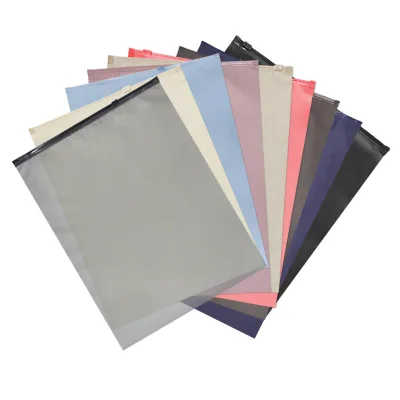
Beyond basic protection, these bags are increasingly used for Promotion and Household storage. The Unisex nature of the packaging makes it suitable for a wide range of products, from men's and women's apparel to children's clothing. The Shape of the bag, whether Plastic Bags or Ziplock styles, is chosen based on the product's volume and the desired presentation. For high-end apparel, the Medium Soft texture and Clear color options can enhance the visual appeal of the product inside, allowing customers to see the item without opening the package.
The Bag Variety includes Self-Adhesive options, which provide a convenient closure mechanism for end-users. This feature is particularly valuable for Apparel applications where the packaging might be reused by the consumer for storage. The Feature set of Moisture Proof and Resealable capabilities further extends the utility of the bag beyond the point of sale, adding value to the brand's customer experience. The Application scope also extends to Food and Household items, indicating that the manufacturing processes are versatile enough to handle diverse product categories.
Supplier Evaluation and Operational Capabilities
Selecting the right supplier requires a thorough evaluation of their operational capabilities and track record. The Experience of the supplier is a key indicator of reliability, with many providers boasting Rich experience in the industry. This experience often translates to better quality control and more efficient problem-solving during the production process. The Supply capability should be Detailed, meaning the supplier can provide comprehensive information about their production lines, raw material sources, and quality assurance protocols.
Geographic location is another factor to consider. The observed data indicates that products originate from China, with specific mentions of Gungdong and P. R. China. While these regions are known for robust manufacturing ecosystems, buyers should verify the specific Location of the factory to assess logistics efficiency and potential risks. The Export experience of the supplier should be High, ensuring they are well-versed in international shipping regulations and documentation.
The Sample process is a critical step in supplier evaluation. Most suppliers offer samples within 5-7 days or on a Negotiate basis. This allows buyers to physically inspect the Material, Shape, and Printing quality before committing to a large order. The Delivery time is typically 5-7 days or Negotiate, but for larger orders, the Lead Time may extend to 20-30 days. Buyers should ensure that the supplier's lead times align with their production schedules to avoid stockouts or delays.
Quality Control and Long-Term Procurement Strategy
Maintaining consistent quality is paramount in the procurement of recyclable packaging. The Standard for the product can vary, with some suppliers adhering to CE certification and others offering as required standards. Buyers must establish clear quality criteria, including checks on the Hardness, Waterproof integrity, and the strength of the Closure Type. The Material consistency is also critical; any deviation in the Raw Materials (LDPE, PLA, PBAT) can affect the recyclability and performance of the final product.
For long-term procurement, building a strategic partnership with the supplier is advisable. The Customization capabilities of the supplier should be evaluated for their ability to adapt to changing brand needs, such as new Colors, Sizes, or Logos. The Product Packing should be optimized to minimize damage during transit and maximize space efficiency. The Logistic options, including Ocean Shipping and Air Transportation, should be reviewed to ensure cost-effective delivery.
Buyers should also consider the Feature set of the packaging in the context of long-term sustainability goals. The Recyclable, Recycled, and Bio-Degradable attributes should be verified against the brand's specific targets. The Certification status, including Grs, ISO, BSCI, TUV Ok Compost, and Seedling, should be reviewed annually to ensure continued compliance. By focusing on these long-term considerations, buyers can secure a reliable supply of recyclable garment packaging bags that support their sustainability initiatives and operational efficiency.
Comparative Analysis of Packaging Options
To assist in decision-making, the following table summarizes the key differences between common packaging options observed in the market:
| Feature | Standard Plastic (LDPE) | Bioplastic (PLA/PBAT) |
|---|---|---|
| Material | LDPE | PLA, PBAT |
| Primary Feature | Recyclable, Durable | Bio-Degradable, Compostable |
| Certifications | Grs, ISO, BSCI | TUV Ok Compost, Seedling |
| Closure Type | Self-sealing, Ziplock | Self-sealing, Ziplock |
| Hardness | Medium Soft | Medium Soft |
| Waterproof | Yes | Yes |
| Lead Time | 5-7 days (Sample) | 20-30 days (Production) |
| Application | Clothing, Household | Clothing, Food, Household |
| Cost Driver | Volume, Size | Material Premium, Certification |
This comparison highlights that while both options offer similar functional properties like Waterproof protection and Medium Soft hardness, the choice between LDPE and Bioplastic depends heavily on the brand's specific sustainability goals and the availability of Certifications like TUV Ok Compost. Buyers must weigh the Cost implications of the Bioplastic material against the environmental benefits it offers.
In conclusion, sourcing recyclable garment packaging bags requires a balanced approach that considers technical specifications, regulatory compliance, cost drivers, and supplier capabilities. By adhering to the guidelines outlined in this guide, procurement professionals can make informed decisions that align with their brand's values and operational needs. The key is to verify all claims, particularly regarding Certifications and Standards, and to maintain a flexible strategy that can adapt to the evolving landscape of sustainable packaging.
FAQs
What materials are used for recyclable garment packaging bags?
These bags are primarily made from LDPE or Bioplastic blends like PLA and PBAT. The material choice affects whether the bag is recyclable or bio-degradable, with options available to meet specific sustainability goals.
Can I request custom sizes and colors for these bags?
Yes, custom sizes and colors are accepted to match your brand requirements. The size is changeable with standard options like 24*35cm, and you can specify any color or clear finish for your packaging needs.
Which certifications verify the sustainability of these bags?
Valid certifications include GRs, ISO, BSCI, TUV Ok Compost, and Seedling. These third-party validations confirm recycled content, social compliance, and compostability, ensuring the product meets international environmental standards.
How long does it take to receive samples or orders?
Samples are typically available within 5-7 days or on a negotiated basis. Standard production lead times range from 5-7 days, while customized orders may require 20-30 days depending on the complexity and volume.
What closure types are available for these packaging bags?
The bags feature self-sealing or re-sealable closure types, often utilizing a Ziplock mechanism. This design ensures the packaging is moisture-proof and allows for convenient reuse by the end consumer.
Where are these recyclable bags manufactured and shipped from?
Products originate from China, with specific manufacturing hubs in Gungdong and P. R. China. Suppliers offer high export capabilities with logistics options including ocean shipping or air transportation for global delivery.
What is the minimum order quantity for these bags?
The minimum order quantity ranges from 1 to 50000 units depending on the supplier and customization level. This flexibility allows buyers to source small quantities for prototyping or large volumes for industrial needs.